Six lessons for making replication work
PRESS RELEASE
FEDECOM and PLASTICE work in different technical worlds, but both show why replication is an exercise in adaptation rather than duplication.
Plastics are now a staple and a major source of garbage in our lives, but the family of materials known as plastics is very diverse.
A proper plastic recycling process in its entirety is very challenging due to some technical barriers, such as the presence of complex fractions in the waste streams including contaminants or multilayer materials, or the mix of plastics with other types of wastes that cannot be sorted in a feasible way.
This situation implies a high environmental impact when plastic waste is landfilled or incinerated, so new solutions other than mechanical recycling must be developed to significantly increase the amount of plastics being valorized into new feedstocks. PLASTICE was conceived to solve this need by developing a set of new valorization processes that are aligned with the most relevant roadmaps of chemical recycling technologies at European level.

Video lessons and downloadable PDF summaries to explore the project technologies, pilot testing, and the policy conditions needed for scale-up.

FEDECOM and PLASTICE work in different technical worlds, but both show why replication is an exercise in adaptation rather than duplication.
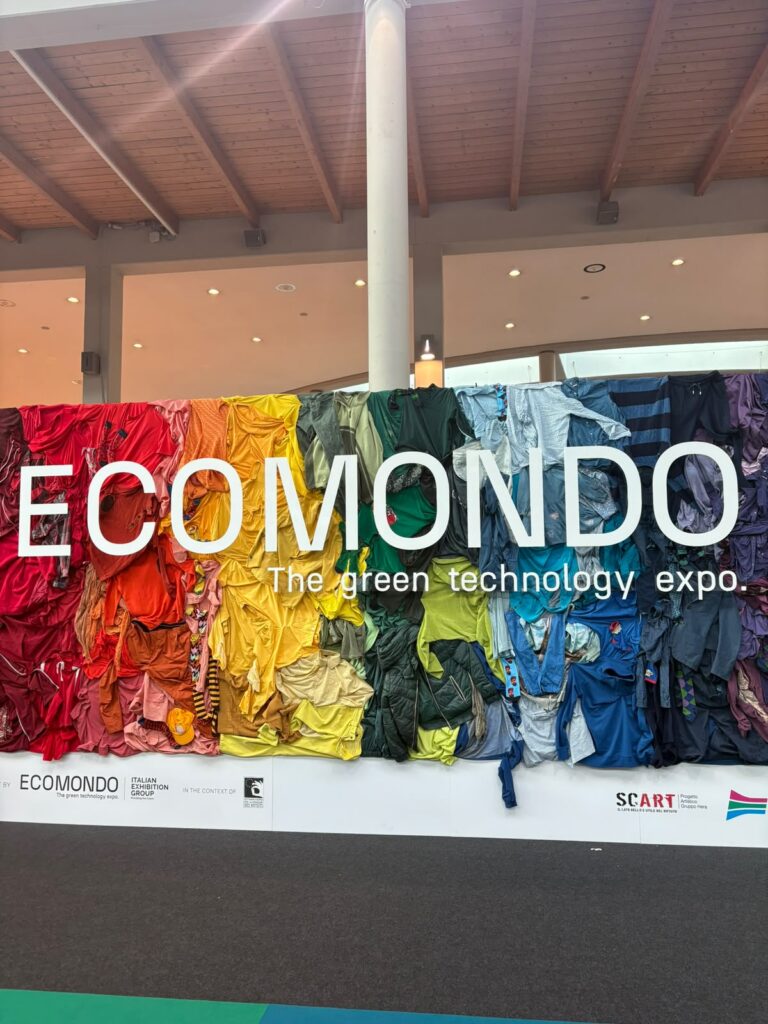
Our partner RINA Consulting presented PLASTICE at its booth at Ecomondo 2026 in Rimini.
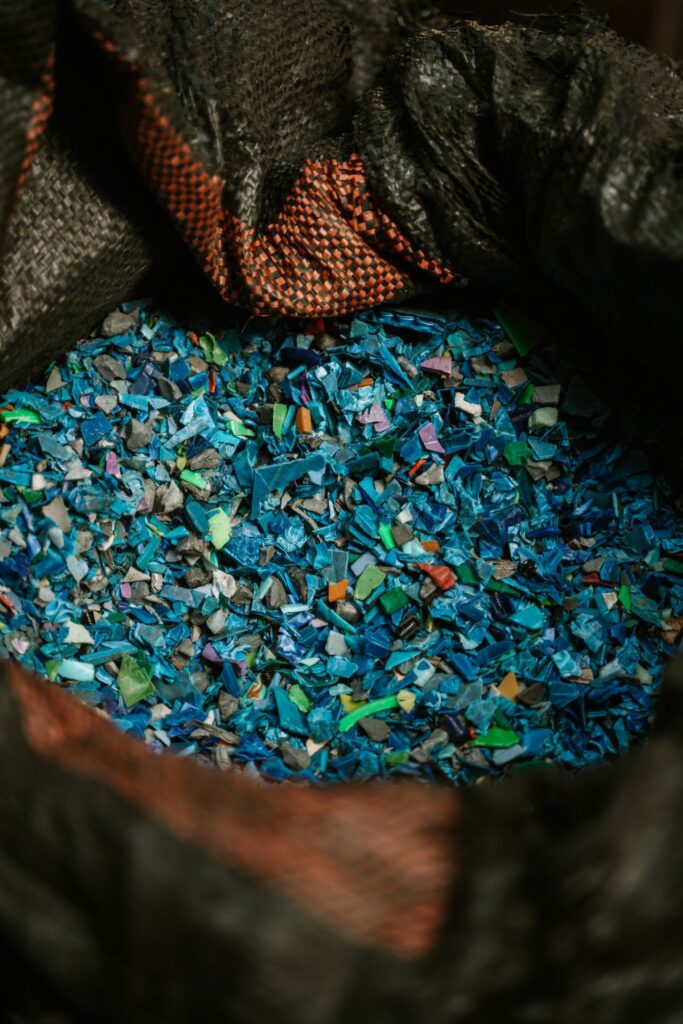
Technologies, results and replication pathways for hard-to-recycle plastic and textile waste: highlights from the PLASTICE webinar and workshop held on 30 September 2026, involving partner Polymeris, the SOLSTICE and FEDECOM projects, and experts on EU–Latin America cooperation.