Our partners at the University of Amsterdam (UvA) have developed a chemical recycling process called Hydrothermal Liquefaction (HTL), which transforms mixed plastic waste into oil using water, heat, and pressure– no sorting required.
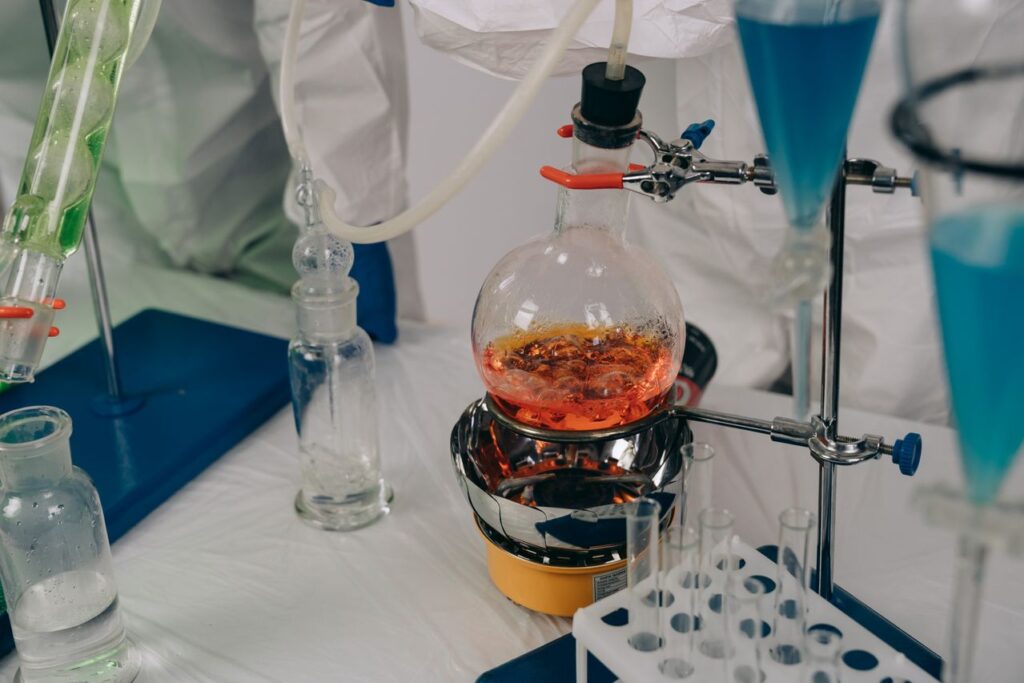
How does it work? The process is straightforward but powerful: mixed plastic waste is combined with water and subjected to high temperature and pressure. After just 30 minutes of reaction, the mixture yields three products: gas, oil and char. The char is then filtered out, the water is recovered and reused, and the oil is separated – clean, ready, and with real potential as a feedstock for new plastics.
The result: a circular loop. From plastic to oil, and from oil back to plastic again. Unlike traditional plastic recycling, HTL can process complex and mixed plastic waste streams that are often considered non-recyclable. In just 30 minutes, this technology shows how difficult plastic waste can be transformed into valuable resources, supporting the transition towards a more circular economy for plastics.
Watch the full process in our new video, produced by the UvA team, which takes you through each step of the HTL technology developed within the PLASTICE project.
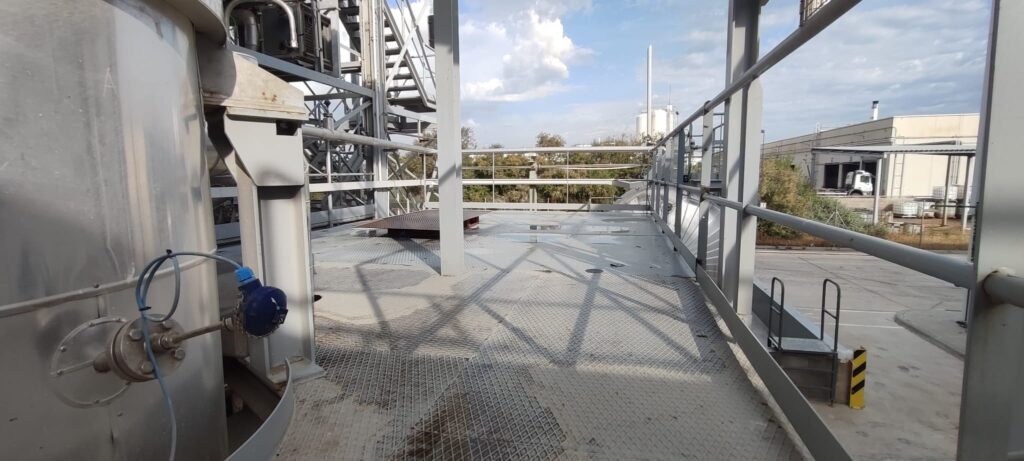
The HTL technology developed at UvA will be scaled up and demonstrated at the COGERSA demosite in Spain as the project moves towards its final phase.
Read more at this link