The event had two parts. The first covered technologies for plastic and textile waste that conventional mechanical recycling struggles to handle. The second asked a different question: how can solutions validated in Europe be transferred and adapted to other industrial, regulatory and geographical contexts?
Part 1 –Webinar: Technologies for hard-to-recycle waste
Gonzalo Murillo Ciordia of CIRCE presented PLASTICE’s three valorisation routes:
- microwave-assisted pyrolysis and hydrothermal liquefaction for mixed polyolefin waste;
- gasification of solid recovered fuel followed by syngas conversion;
- cascade enzymatic hydrolysis for textile waste.
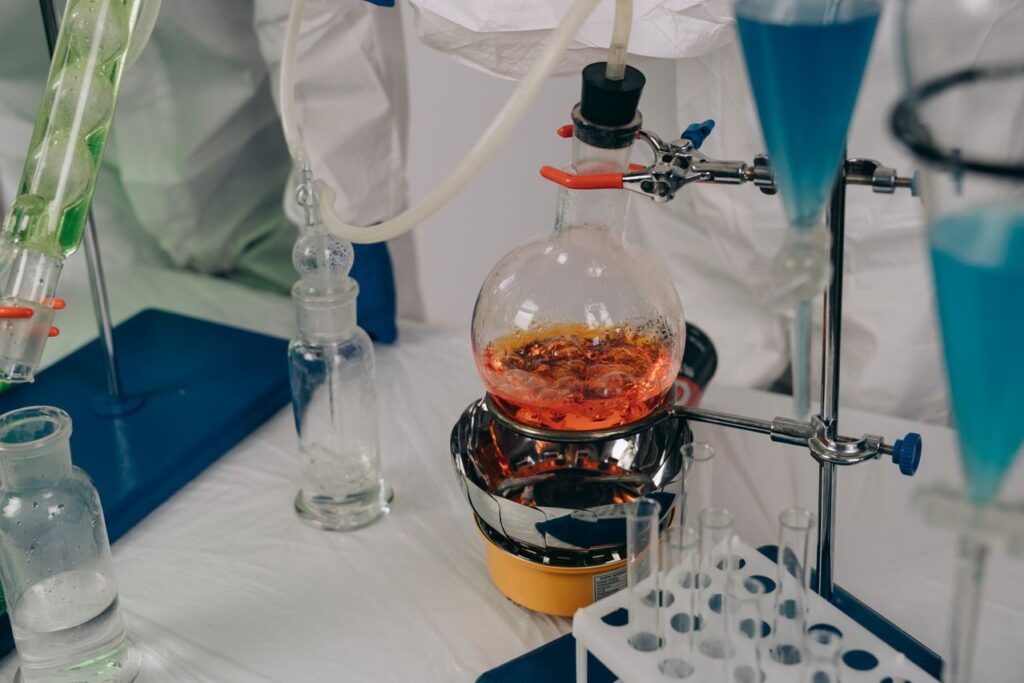
He then focused on microwave-assisted pyrolysis. Laboratory results show that more than 80% of the hydrocarbons detected in the pyrolysis oil are below 20 carbon atoms, the range targeted for petrochemical applications. Selectivity towards olefins is higher than with conventional pyrolysis. A TRL 6 pilot reactor is now in final validation before delivery to CIRCE. It is designed to process around 10 kg of mixed plastic waste per hour. The next steps are continuous operation, upgrading of the pyrolysis oil and char, and the engineering basis for a TRL 7 system.
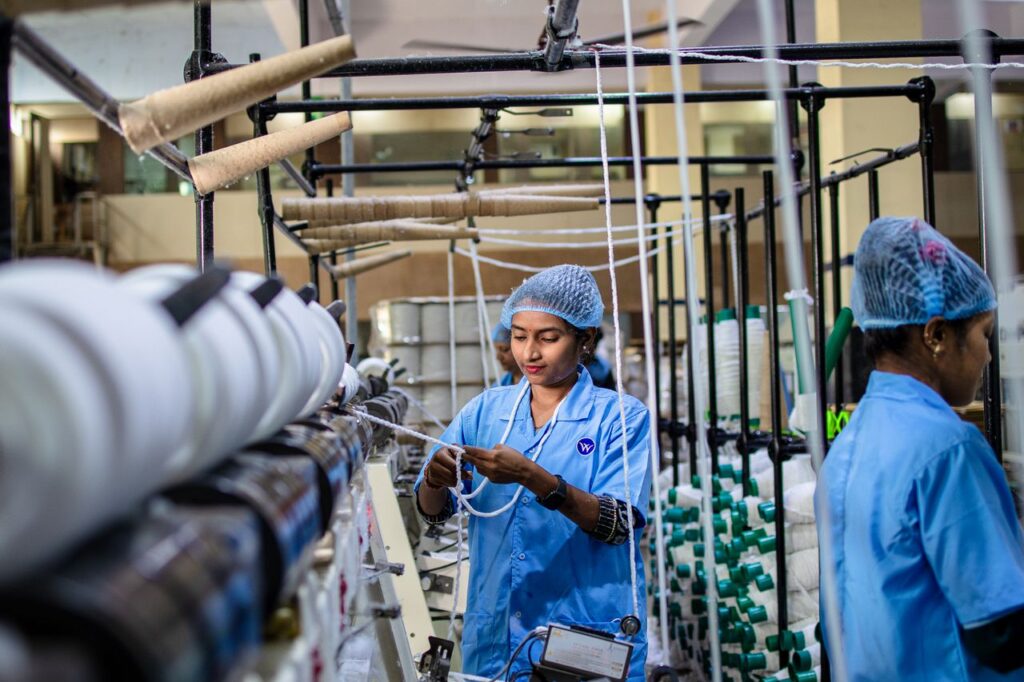
Raphael Josselin-Verdier of Pellenc ST presented the textile sorting work of the SOLSTICE project. The results were encouraging:
- Industrial-scale sorting trials produced a 100% PET batch with an average PET content of 96.7%, above the 95% specification.
- Most black garments, long assumed to be invisible to near-infrared sorting, can in fact be detected.
- Garment labels often do not match the actual fibre composition.
Removing “hard points” such as zippers, buttons and rigid plastics remains a key challenge. X-ray detection is being tested to address it.
Part 2 – Replication workshop
Rocío Milagros Renna of RINA-Consulting presented the PLASTICE replication methodology. Its starting point is that replication is not copying a demonstrator. It means transferring the logic and performance of a solution while adapting its configuration to new local conditions. The six-step approach runs from process characterisation, techno-economic assessment and SWOT analysis to market screening, replication feasibility and an action roadmap.
India served as the first lens for the textile route. Analysis at the level of industrial clusters, rather than the country as a whole, makes replication scenarios far more concrete. The preliminary directions are:
- upgrade sorting first;
- link recycling to testing and certification;
- build on existing clusters;
- target fractions where mechanical recycling performs poorly;
- anchor technology transfer in local partnerships.
Two guest speakers added complementary perspectives:
- Zia Lennard, R2M France, shared the experience of the FEDECOM energy communities project. FEDECOM engaged follower communities through national assessments and developed a freely available replication playbook and self-assessment tool. His key lesson: replication should be written into the work plan and budget from the proposal stage, not treated as an afterthought.
- Simon Gonzalez, former Director of LCBA-UE in Argentina, discussed the adoption of European recycling technologies in Latin America. He identified five main barriers: economic viability, regulation, feedstock availability and quality, financing, and local presence. His conclusion was that technology transfer requires building a whole ecosystem, with multinational and large regional companies acting as potential early adopters.
Missed the webinar? The full recording is available here
Photo credits: Stijn Dijkstra on Pexels